
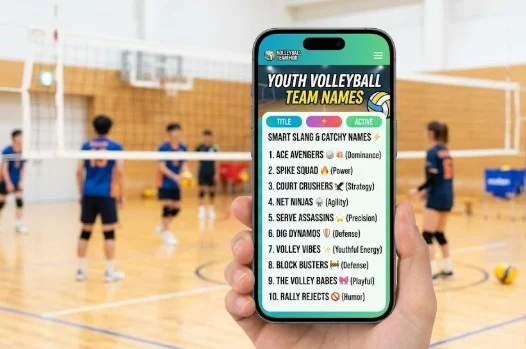
The Real Power Behind Picking Volleyball Team Names for Youth
Walk into any youth sports complex on a Saturday morning, and you will hear it immediately. It is that distinctive hum of sneakers squeaking on hardwood, volleyballs slapping against hardwood court lines, and kids chanting from the sidelines.
Yet, before a single serve is executed or a single spike hits the floor, something quiet and powerful happens in the huddle. A group of young athletes gathers around a coach, puts their hands in the center, and shouts a single word or phrase.
That name is not just an administrative line on a tournament roster. It is the very first thread of a team’s shared identity, building instant camaraderie and confidence.
Choosing a name is often the moment a group of individual kids truly transforms into a unified team. Parents and coaches frequently search for the right name because they intuitively understand this psychological shift. They want a label that balances intimidation with sportsmanship, fun with fierce competitive spirit, and modern relevance with timeless energy.
When you get it right, the name becomes a rallying cry that carries players through tough sets, grueling practices, and memorable season finales.
Volleyball Team Names for Youth – Quick Meaning
A youth volleyball team name acts as a collective brand identity designed specifically for young players, usually ranging from ages 6 to 18. It combines athletic ambition, age-appropriate humor, and group personality into a catchy title.
The primary goals of a youth team name include:
- Fostering Belonging: Giving every child an immediate sense of inclusion and pride.
- Boosting Confidence: Creating an intimidating or energetic front that empowers the squad.
- Building Memory: Crafting a fun, memorable handle for tournament brackets, custom jerseys, and family spirit wear.
“We used to be just ‘Court 4.’ The moment we renamed ourselves the Net Ninjas, the kids started standing taller in the warm-up line.” — Coach Marcus, U12 League
“When my daughter saw her custom Spike Attacks hoodie for the first time, her face completely lit up. It made her feel like a real athlete.” — Sarah, Volleyball Parent
“A great team name gives young players an identity to live up to during high-pressure moments on the court.” — Coach Elena, Club Director
Origin & Background
Where the Culture Began
Decades ago, youth sports team names were straightforward, predictable, and heavily tied to local sponsors or classic mascots. You were either named after the local hardware store or picked a traditional animal like the Tigers, Eagles, or Bears.
As youth club sports expanded globally over the last twenty years, volleyball evolved its own distinct subculture. Volleyball requires quick reflexes, explosive movement, and intense court communication, which naturally inspired more dynamic and pun-heavy naming trends.
Social Media & Modern Influence
Today, digital platforms like TikTok and Instagram heavily influence how young athletes view their sports identity. Youth players want team names that look great on custom graphic designs, sound catchy in viral bench-celebration videos, and translate well to custom team hashtags.
Modern youth culture favors clever wordplay, pop-culture references, and empowering phrases over dry, traditional naming conventions.
The Evolution of Youth Sports Identity
We have shifted from rigid, institutional names to highly expressive and creative ones. The modern youth volleyball scene celebrates individuality inside a team framework.
As a result, team names now reflect an energetic mix of humor, athleticism, and modern youth culture that keeps kids genuinely excited to step onto the court.
Real-Life Conversations
WhatsApp Group Chat (Parents & Coach)
Coach Dave: Hey everyone! Great first practice today. We need to submit our official team name for the regional tournament roster by Friday. Any ideas from the kids?
Lisa (Mom): Maya suggested The Blockbusters! She said they plan on blocking every shot this season haha.
Mark (Dad): My son Sam vote for Serve Aces. Short, sweet, and confident.
Coach Dave: Love both of those! Let’s let the squad vote between those two at tomorrow’s practice.
Instagram DMs (U14 Club Players)
Chloe: Omg guys we need to pick our team name before coach just assigns us something boring 😭
Anaya: What about Net Ninjas??
Chloe: Wait, that’s actually fire 🔥 It fits our fast back-row defense so well.
Anaya: Right?! I’m telling the rest of the team at lunch tomorrow.
TikTok Comment Section
User_VolleyKid: Our coach named us the Court Crashers and now we literally do pre-game chants around it 🏐💥
SpikeMaster24: Lucky! Our coach just called us “Team 3” all season 💀
User_VolleyKid: Nah you gotta lobby for a change! A good name changes the whole vibe of the bench!
Emotional & Psychological Meaning
What a Name Expresses
Behind the colorful jersey prints and arena announcements, a team name carries distinct psychological weight for young athletes. It expresses shared purpose and psychological safety.
When a ten-year-old puts on a jersey labeled Power Serves, they are not just wearing polyester; they are stepping into an active role. It creates an emotional shield that reduces performance anxiety and promotes collective bravery.
Why Young Athletes Need Identity
Children and teenagers undergo rapid personal development, constantly searching for where they fit in. Being part of a named group satisfies a fundamental human need for belonging and group validation.
It transforms an intimidating individual task—like serving at game point—into a shared journey supported by peers.
Personal Reflection from the Bench
During my second year coaching U12 club volleyball, we had a team that struggled with mid-game confidence. Whenever they fell behind by four or five points, their body language would slump, and communication on the court would go silent.
Midway through the season, we let them brainstorm and rebrand their squad name to the Court Breakers. We created a custom bench chant tied directly to that name.
The psychological shift was almost immediate. The new name gave them an external narrative to lean into—they weren’t just kids trying not to make mistakes anymore; they were the Court Breakers on a mission to turn the game around.
Usage in Different Contexts
Social Media & Team Branding
On platforms like Instagram, TikTok, and YouTube, team names serve as digital anchors. Teams use their names to create custom team handles, design viral bench-recap videos, and stay connected off the court. A sharp name makes team graphics and highlight reels pop.
Friends & Player Relationships
Within the squad, the team name quickly turns into internal slang and motivational banter. Players will reference their name during tough conditioning drills or use it in group chats to keep enthusiasm high between tournament weekends.
Professional & Tournament Settings
In official league books and scorekeeper sheets, the name sets an initial tone. While youth sports should always prioritize developmental fun, a well-thought-out name presents a organized, cohesive front to referees, opposing coaches, and tournament directors.
| Context | Tone Goal | Ideal Naming Style |
|---|---|---|
| Rec League (Ages 6–9) | Fun, playful, encouraging | Animal puns, bright colors, friendly concepts |
| Middle School / U12 | Energetic, catchy, high-energy | Action verbs, dynamic elements, light humor |
| Club / Competitive U16 | Fierce, confident, authoritative | Power words, athletic terms, bold statements |
| Beach / Sand Leagues | Casual, sun-inspired, relaxed | Summer themes, ocean puns, laid-back concepts |
When NOT to Use Certain Names
Inappropriate Contexts
While humor is fantastic in youth sports, parents and coaches must establish clear boundaries. Names that rely on aggressive, disrespectful, or overly violent phrasing should be strictly avoided. Youth sports are meant to build character and respect.
Cultural Sensitivity & Inclusivity
Avoid using names that appropriate sacred cultural symbols, indigenous terminology, or terms that could make any child on the team feel excluded. A team name should bring people together, never alienate players or opponents.
Avoiding Misunderstandings
Stay away from inside jokes that could be interpreted as unsportsmanlike by referees or league directors. If a name sounds arrogant rather than confident, it can create unnecessary friction on the court before the match even begins.
Common Misunderstandings
Misinterpreting Intensity for Bad Sportsmanship
Sometimes adults confuse fierce team names with poor sportsmanship. A name like Spike Attack or Net Crashers is not about disrespecting the opponent; it is about channeling athletic focus and enthusiasm into a positive competitive outlet.
Overthinking the “Perfect” Name
Coaches often waste weeks stressing over finding a unique, never-before-used title. The truth is that simplicity and team consensus matter far more than absolute originality. If the kids love it and feel empowered by it, the name is a success.
Comparison Table: Naming Styles
| Category | Example Name | Tone | Best Suited For |
|---|---|---|---|
| Clever & Punny | How I Set Your Mother | Humorous, lighthearted | Older youth, high school rec leagues |
| High Energy | Volley Dynamics | Athletic, modern | Competitive club teams, U14–U18 |
| Cute & Fun | Mini Volley Bears | Friendly, welcoming | Beginners, U8–U10 developmental leagues |
| Intimidating | Court Dominators | Bold, competitive | Elite tournament squads |
Key Insight
The best youth team name is never the one forced by adults, but the one that makes the young athletes instantly smile, stand taller, and chant louder.
Top Youth Volleyball Team Name Variations
1. The Blockbusters
- Meaning: A play on defensive stopping power and movie hits.
- Best for: Defensive-minded squads who love stopping big attacks at the net.
2. Spike Force
- Meaning: A dynamic, high-powered athletic identity.
- Best for: Energetic teams with a strong offensive mindset.
3. Net Ninjas
- Meaning: Fast, agile players with quick defensive reflexes.
- Best for: Scrappy teams that excel at saving tough balls in the back court.
4. Serve Aces
- Meaning: Focused on precision, skill, and point-scoring serves.
- Best for: Fundamental-focused young teams developing strong serving skills.
5. Court Crashers
- Meaning: High-energy players who bring enthusiasm to every match.
- Best for: Young, adventurous squads playing with boundless passion.
6. Volley Vipers
- Meaning: Fast, sharp, and quick-striking team play.
- Best for: Competitive club teams looking for a sleek, classic mascot feel.
7. Ball Busters
- Meaning: A resilient squad that plays hard on every single rally.
- Best for: Older youth teams in high-tempo recreational leagues.
8. Set It & Forget It
- Meaning: Smooth setting and reliable offensive execution.
- Best for: Teams with great communication and steady playmakers.
9. Pocket Rockets
- Meaning: Small in size, big in power and speed.
- Best for: Younger U10 or U12 teams bursting with energy.
10. Matrix Hitters
- Meaning: Playing as if bending time and physics on the court.
- Best for: Tech-savvy Gen Z athletes who love creative plays.
How to Respond When Selecting or Hearing Team Names
Casual Responses
- “That name sounds awesome! It’s going to look great on the team hoodies.”
- “Love it! It’s super energetic and easy for the kids to chant from the bench.”
Funny Responses
- “As long as our play lives up to that name, we’re winning the championship!”
- “If we play as fast as our name sounds, the referees won’t even keep up.”
Mature & Encouraging Responses
- “That’s a great choice. It gives the team a solid identity to build around this season.”
- “It strikes the perfect balance between competitive spirit and great sportsmanship.”
Respectful Responses
- “An excellent, unified name that every player on the squad can feel proud wearing.”
- “It sets a clean, positive, and energetic tone for the whole league.”
Regional & Cultural Usage
Western Culture (US, Canada, Europe)
In North American and European youth sports, naming culture heavily favors puns, modern pop-culture mashups, and bold athletic branding. Teams frequently align their names with custom merchandise, graphic social media banners, and organized bench chants.
Asian Culture
Youth sports programs across Asia often prioritize concepts of harmony, collective discipline, endurance, and honor. Team names tend to reflect strength, lightning speed, skyward motion, and unified teamwork over individual humor or comedic puns.
Middle Eastern Culture
Youth athletic naming in Middle Eastern clubs emphasizes resilience, nobility, speed, and community pride. Names frequently reference powerful natural elements, local geography, or animals associated with agility and courage.
Generational Differences: Gen Z vs. Millennials
While Millennial coaches often default to classic 90s pop-culture puns, Gen Z youth players prefer short, punchy names that sound like modern lifestyle brands or viral trends. Understanding this dynamic helps coaches guide name selections that young players actually enjoy.
Is It Safe and Appropriate for Kids?
Choosing a youth team name is completely safe, highly beneficial, and deeply recommended for positive youth development.
The primary precaution for adults is ensuring the name remains inclusive, positive, and free from subtle double meanings or overly aggressive language. When kept lighthearted and encouraging, naming a team builds self-esteem and fosters lifelong athletic memories.
Frequently Asked Questions
How do we choose the best team name for a youth volleyball squad?
Let the players generate a shortlist of their favorite names, then hold a simple team vote during practice. This process gives young athletes a sense of ownership over their team identity from day one.
What makes a youth volleyball team name memorable?
A great name is easy to pronounce, short enough for loud bench chants, and visually easy to print on team jerseys and banners.
Should parents or coaches pick the team name?
Coaches and parents should set the guidelines and guardrails, but the players themselves should make the final selection whenever possible.
What are some good volleyball team names for beginners?
Simple, high-energy names like Little Spikers, Volley Stars, or Net Rascals work exceptionally well for younger, developmental teams.
Can a team change its name mid-season?
While it is best to keep a consistent name for league rosters and schedule tracking, teams can always adopt fun temporary nicknames for special weekend tournaments.
Final Thoughts
At the end of the day, a youth volleyball team name is far more than just letters printed across a jersey. It is the warm heartbeat of every team huddle, the anchor during tough sets, and the foundation for memories that last long after the season ends.
Whether your team chooses a clever pun or a bold athletic statement, wear it with pride, play with heart, and support one another on every point. You can explore more inspiration for names at Name Meaning Zone, or check out official resources like USA Volleyball to learn more about youth development programs and tournament guidelines. Now get out on the court, make some noise, and enjoy the game!
![It looks like your prompt contains a template meant for a slang term or phrase, but the bracketed slot says [ esports team name ] while the structure asks for an analysis of a term/slang expression (including slang variations, regional usage, and “Is It Safe for Kids?”).](https://namemeaningzone.com/wp-content/uploads/2026/08/esports-team-name-150x150.webp)