
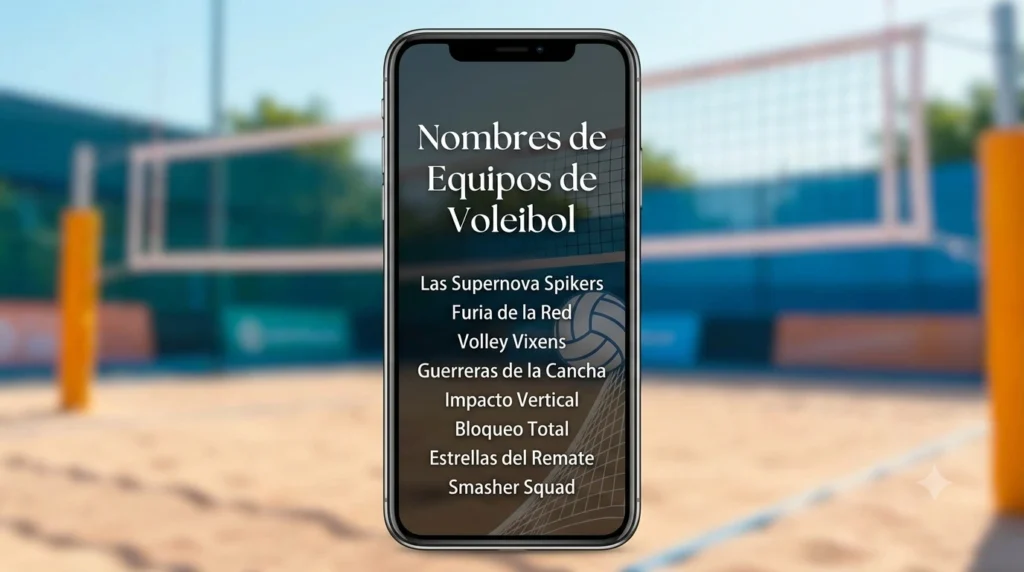
Step onto any volleyball court, and you immediately feel the electric energy. The squeak of sneakers on the polished hardwood, the rhythmic thud of the ball meeting a solid forearm, and the collective breath held before a decisive spike all create a unique universe.
Yet, before a single serve crosses the net, the true identity of a squad is born in a single choice: their name. Choosing the perfect name bridges the gap between a random group of players and a unified, formidable force.
The Power Behind Nombres de Equipos de Voleibol
Every weekend, thousands of players and coaches log online to search for the perfect identity. This universal quest for the right moniker stems from a deep-seated desire for connection and representation. A team name is not just a label on a jersey; it is the first psychological strike against an opponent and the ultimate rallying cry during a grueling fifth-set tiebreaker.
When people search for identity options, they are often trying to balance conflicting vibes. They want something that sounds fierce but remains inclusive, or perhaps something clever that showcases their personality without losing a competitive edge.
Finding that sweet spot resolves the collective creative block that often stalls new sports squads. It turns out that a great name sets the tone for the entire season, turning individual athletes into a singular, breathing unit.
Nombres de Equipos de Voleibol – Quick Meaning
At its core, the phrase refers to the specific identities, brands, and titles given to volleyball squads across school leagues, professional circuits, and casual beach tournaments. These names define the collective spirit and character of the athletes who wear them.
- Competitive Identity: Establishes the competitive persona of the group.
- Cultural Anchor: Reflects regional pride, language preferences, and cultural background.
- Strategic Intimidation: Signals strength, speed, and tactical brilliance to opponents before the match begins.
“We used to just play under our neighborhood name, but the moment we chose a real identity, our communication on the court completely transformed.”
— Camila, Recreational League Captain
“A great name acts like a shield. When you are down by five points, looking down at that logo reminds you who you are.”
— Coach Mateo
Origin & Background
The tradition of naming sports teams dates back centuries, but volleyball introduces a distinct subculture to this practice. Born in Holyoke, Massachusetts, in 1895 as “mintonette,” the sport quickly evolved into a fast-paced game defined by power, agility, and aerial dominance. As the game expanded across the globe—particularly into Spanish-speaking countries—the vocabulary surrounding team identity took on a rich, multi-layered life of its own.
The Rise of Digital Communities
In our modern interconnected world, social media platforms have completely revolutionized how these titles are chosen and shared. Instagram pages dedicated to tournament aesthetics and TikTok videos showcasing team handshakes have made team branding a highly visual experience.
A name is no longer just spoken; it is hashtagged, converted into custom fonts, and displayed proudly on digital banners. This digital evolution has forced teams to think about how their identity resonates both on the physical court and across global online sports networks.
Real-Life Conversations
Choosing a name is rarely a straightforward, corporate process. It happens in the messy, passionate spaces where athletes hang out, argue, and laugh together after a long practice session.
WhatsApp Group Chat
Person A: Guys, the tournament registration deadline is tonight at midnight! We still don’t have an official name.
Person B: Let’s just go with something standard like ‘The Spikes.’
Person A: No way, that’s what every single middle school team uses. We need something that sounds like we actually know how to run a 5-1 rotation.
Person B: What about ‘Net Ninjas’ or ‘Altitud Total’? It sounds fierce but still cool.
Person A: ‘Altitud Total’ is perfect. It fits our middle blockers so well!
Instagram DM
Person A: Hey coach! Did you see the schedule for Saturday? They listed us as ‘Team Blue.’
Person B: That must be a placeholder. I sent in our official name yesterday.
Person A: Oh thank goodness. Walking onto the court as ‘Team Blue’ feels like we’re just gym class students.
Person B: Haha, don’t worry. We are officially registered as ‘Fuerza Vertical.’ Get ready to bring that energy!
TikTok Comment Section
What’s your squad called?
Creator: Thank you so much! We play under the name ‘Tormenta del Arena’ since we started on the beach circuit.
User 1: That is an amazing name. It perfectly matches how chaotic and fast your defense is!
Emotional & Psychological Meaning
From a psychological perspective, a sports identity serves as an emotional container for a group’s shared ambitions and vulnerabilities. When individuals step onto the court, they carry their personal stresses, doubts, and fatigue. Slipping on a jersey with a powerful collective title allows them to shed those individual anxieties and step into a shared persona of resilience.
Modern sports communication relies heavily on these symbolic anchors. A well-chosen name fosters psychological safety, allowing players to make mistakes without fear because they know the collective identity is stronger than any single error.
A Journey from Chaos to Clarity
Years ago, I coached a local club team that was struggling deeply with internal communication. The players were talented but played as individuals, leading to frequent dropped balls in the conflict zones between positions. During a mid-season meeting, I challenged them to completely redefine their name.
They threw out their old, generic title and chose ‘Nexo Perfecto,’ highlighting their commitment to seamless transitions and supporting one another. The psychological shift was almost instantaneous; they began holding themselves accountable to the standard that their new name demanded, eventually turning their season entirely around.
Usage in Different Contexts
The appropriateness and impact of a team name can change drastically depending on the environment where the game is played.
Social Media and Online Presence
On digital platforms, shorter, punchier names tend to perform much better. If your team plans to create a dedicated page to share highlights, choosing a title that easily translates into a clean handle and memorable hashtags is essential for building a local fan base.
Friends & Casual Tournaments
In weekend barbecue tournaments or casual corporate leagues, humor and lighthearted puns are highly encouraged. These settings prioritize community bonding and fun over intense athletic domination, making clever wordplay highly effective.
Professional and Academic Settings
When representing a school, university, or corporate sponsor, the tone must pivot toward professionalism, respect, and institutional pride. Names in these spaces should inspire dignity and reflect the core values of the organization the athletes represent.
When NOT to Use It
While creativity should be celebrated, there are vital boundaries that every team must respect during the brainstorming process.
Cultural and Insensitive Contexts
Avoid adopting terms, sacred symbols, or cultural references that do not belong to your background. Using culturally sensitive language lightheartedly can alienate opponents, disrespect communities, and cause unnecessary friction before the first whistle blows.
Overly Aggressive or Offensive Imagery
Names that promote genuine violence, derogatory concepts, or offensive slangs should be completely avoided. A name meant to intimidate should rely on athletic prowess and strategic superiority, never on crude or degrading language.
Common Misunderstandings
A frequent mistake many young squads make is choosing a name based solely on a passing internet trend without considering long-term longevity. Slang terms can lose their relevance quickly, leaving a team with an identity that feels dated within a year.
Another common point of confusion is the literal interpretation of a name versus its figurative meaning on the court. A team named ‘Impacto Silencioso’ doesn’t mean the players sit in total silence; rather, it signifies that their actions, precision, and strategy speak much louder than trash talk.
Comparing Team Name Categories
| Name Style | Core Vibe | Best Suited For | Example Concept |
| Aggressive & Powerful | Intimidating, strong, unstoppable | Elite club tournaments | Furia del Red |
| Clever & Punny | Humorous, approachable, light | Casual beach leagues | Serve-ivors |
| Elegant & Strategic | Structured, disciplined, precise | Academy and school teams | Dinámica Apex |
Key Insight
True alignment happens when the chosen name perfectly reflects the actual playing style and collective personality of the athletes on the roster.
Variations & Types of Team Names
Choosing a direction depends on your squad’s unique personality. Here are eight distinct styles to consider:
Power-Based Titles
- Fuerza Impacto: Represents raw physical strength and unstoppable spikes.
- Muralla Inquebrantable: Highlights an absolute lockdown defensive blocking strategy.
Nature and Element Themes
- Tsunami del Court: Signals an overwhelming wave of energy that floods the opponent’s side.
- Efecto Viento: Emphasizes unpredictable ball movement, float serves, and incredible agility.
Strategic and Tactical Names
- Zonales Líderes: Showcases absolute court awareness and flawless positional discipline.
- Nexo Táctico: Focuses on the seamless connection between the setter and the hitters.
Fun and Creative Wordplay
- Bloqueo Creativo: A playful take on shutting down opponents while maintaining an imaginative style.
- Cazadores de Aces: Perfect for a team that prides itself on aggressive, tactical serving.
How to Respond When Someone Uses It
When an opponent or organizer introduces your team name, your response should match the context of the interaction perfectly.
Casual and Playful
“We might look relaxed, but wait until you see our back-row defense in action!”
Confident and Competitive
“We put a lot of work into living up to this name. Let’s have a great, clean match today.”
Gracious and Respectful
“Thank you! We chose it because it honors our community. Good luck to you out there on the court.”
Regional & Cultural Usage
The way team names are received changes dramatically across different regions and generations worldwide.
Western vs. Global Perspectives
In many Western sports leagues, there is a strong preference for animal mascots or highly commercialized, short branding titles. Conversely, in many Latin American and European volleyball clubs, names frequently emphasize solidarity, club history, or abstract tactical philosophies like those found on namemeaningzone.com, which tracks how names carry deep cultural weight across generations.
The Generational Divide
There is also a fascinating divide between how different generations approach this process. Baby Boomers and Gen X athletes typically prefer traditional, geographic names that anchor them to a specific town or school.
Meanwhile, Gen Z and Millennial players lean heavily toward conceptual, ironic, or hyper-stylized names that look great on social media and reflect modern internet subcultures.
Is It Safe for Kids?
Exploring creative titles is completely safe and highly beneficial for children. Engaging young athletes in the naming process teaches them invaluable lessons about democratic decision-making, compromise, and collective responsibility.
As long as adult mentors guide youth squads away from inappropriate language or aggressive concepts, choosing a name helps kids build an early, healthy sense of belonging and athletic pride.
FAQs
What are the most popular words to include in a volleyball name?
Words like Red (Net), Spike, Bloqueo (Block), Vuelo (Flight), and Fuerza (Force) are incredibly popular because they directly describe the core physical elements and excitement of the sport.
Can a team name change mid-season?
While it is technically possible in casual leagues, it is generally discouraged in organized tournaments. Changing your identity mid-season can confuse event organizers, disrupt statistical tracking, and dilute your fan base.
How do we resolve a disagreement within the team about our name?
The fairest approach is to have every player submit two ideas anonymously, compile a master list, and hold a blind vote. This ensures every voice is heard and prevents dominant personalities from overriding the group.
Should our name match our uniform colors?
It is a wonderful bonus for branding, but it is not mandatory. Many teams choose a powerful abstract concept first, and then design their custom jerseys and logos around that theme later on.
Final Thoughts
At the end of the day, the perfect name is simply the spark that ignites a team’s shared spirit. Whether you land on something deeply fierce, beautifully strategic, or wonderfully lighthearted, its true value is found in the unity it creates among your players.
When you step out onto that court, look your teammates in the eye, and call out your name, make sure it is an identity that drives you to dive for every ball and celebrate every single point together. For deeper historical perspectives on global athletic traditions, exploring resources like the International Olympic Committee can offer great inspiration on how team identities have shaped sports history for over a century. Now, go grab your gear, step onto the court, and make your squad’s name unforgettable!
![It looks like your prompt contains a template meant for a slang term or phrase, but the bracketed slot says [ esports team name ] while the structure asks for an analysis of a term/slang expression (including slang variations, regional usage, and “Is It Safe for Kids?”).](https://namemeaningzone.com/wp-content/uploads/2026/08/esports-team-name-150x150.webp)