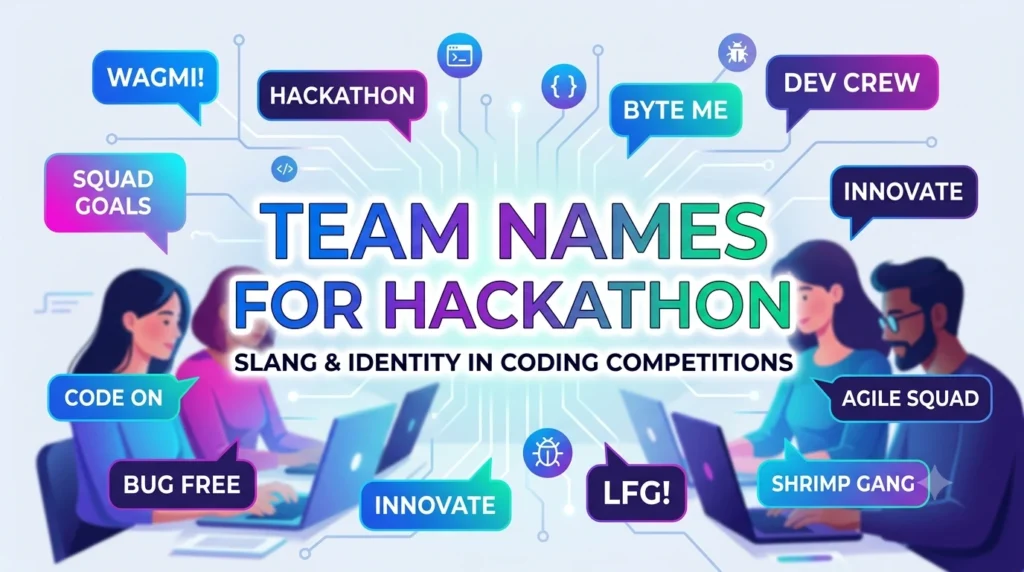
The clock is ticking, the espresso machine is working overtime, and a room full of brilliant minds is staring at a blank whiteboard. You have the skills, the strategy, and the drive to build something groundbreaking over the next 48 hours. Yet, there is one critical roadblock stalling your momentum before you even write your first line of code: choosing the perfect identity.
People search for hackathon team names because they realize that a great title is more than just a label on a leaderboard. It is your team’s first impression, a reflection of your collective personality, and a subtle psychological edge over your competitors. A weak or generic name makes your project forgettable, while a clever, intentional name captures the attention of judges and sponsors alike.
This guide solves the ultimate pre-hackathon dilemma by breaking down how to craft an unforgettable identity. We will explore the psychology behind great naming conventions, dive into real-world examples, and provide a comprehensive directory of ideas to ensure your squad stands out from the opening ceremony to the final pitch.
Team Names for Hackathon – Quick Meaning
A hackathon team name is a temporary, high-impact brand identity chosen by a group of developers, designers, and project managers for a competitive innovation event. It serves as an anchor for team spirit, a conversation starter for judges, and a thematic baseline for the product being built.
An effective name generally balances three core elements: technical wit, domain relevance, and cultural resonance. To give you an idea of how this looks in practice, consider these common structural archetypes:
“The Syntax Sorcerers” – A play on technical mastery combined with a touch of fantasy, ideal for a team confident in their architectural coding skills.
“Ctrl+Alt+Defeat” – A clever, pun-driven name that uses a standard keyboard shortcut to send a humorous, confident message to rival teams.
“Beta Testing Our Sanity” – A highly relatable, self-deprecating choice that captures the chaotic, sleep-deprived reality of a 72-hour sprint.
Origin & Background
The culture of naming competitive coding squads dates back to the early university lan parties and the open-source sprints of the late 1990s and early 2000s. In those formative days of tech subculture, names were heavily inspired by classic science fiction, Linux terminal commands, and inside jokes from IRC chatrooms.
As hackathons transitioned from niche academic subcultures into massive corporate and global spectacles, the naming conventions evolved significantly. The rise of social media platforms like X, Reddit, and Discord transformed these names from simple database entries into essential elements of digital personal branding.
Today, a team’s name is a vital piece of real estate on LinkedIn summaries, GitHub repositories, and post-event portfolio showcases. Modern naming trends heavily incorporate internet memes, pop culture references, and startup nomenclature, reflecting a diverse, global community that values both technical excellence and creative expression.
Real-Life Conversations
Choosing a name often reveals a lot about team dynamics. Here is how these discussions typically play out across different messaging platforms during the frantic brainstorming phase before an event.
WhatsApp Group Chat
Person A: Hey everyone! Registration closes in two hours and we still haven’t picked a team name. Any ideas?
Person B: Let’s go with something classic, like Dev_Minions or Code Warriors.
Person A: Internal scream. Those feel a bit like a corporate training video from 2008. We need something punchier.
Person C: How about Caffeine & Compiler Errors? It’s basically our strategy for the weekend anyway.
Person B: Love it. Simple, honest, and the judges will definitely get a laugh out of it.
Instagram DM
MAX: Did you see the team list for the Web3 hackathon this weekend?
LIYE: Yeah, why?
JON.Look at team number 42. That is brilliant marketing for a blockchain event.
LIYE : Right? It makes them look like absolute pros before they’ve even deployed a single smart contract. We need to step up our naming game next time.
Discord Server Channel
Person A: Team, we are building an AI-powered fitness app. We need a name that sounds like a funded Silicon Valley startup but still has that raw hackathon energy.
Person B: What about ByteSized Gains? It bridges the gap between data metrics and fitness perfectly.
Person A: That is exactly what I was looking for. It fits our project pitch perfectly and sounds incredibly professional.
Emotional & Psychological Meaning
Your choice of name carries a surprising amount of psychological weight. It acts as an internal rallying cry that establishes your group’s collective identity and mindset for the duration of the event.
Choosing a humorous or self-deprecating name often functions as a psychological safety valve. It acknowledges the inevitable stress, lack of sleep, and technical hurdles of the weekend, transforming potential frustration into a shared, lighthearted inside joke.
Conversely, selecting a highly professional, strategic name signals a serious, competitive intent. It fosters an internal culture of accountability and precision, prompting team members to elevate their performance to match their premium branding.
A Quick Perspective from the Field
During an annual corporate innovation sprint a few seasons ago, my team found ourselves completely stuck on an elusive API integration at three in the morning. Morale was visibly cratering, and energy drinks were no longer helping.
Our front-end developer suddenly pointed at our official registration dashboard, which proudly displayed our self-chosen name: The Runtime Rebels. He looked at us and joked, “Well, a rebel wouldn’t let a broken endpoint stop them, right?”
It was a small, silly moment, but it completely broke the tension. We laughed, ordered another round of food, and pushed through the blocker, eventually winning the category prize. That experience taught me that a name isn’t just metadata; it is a genuine tool for resilience.
Usage in Different Contexts
The tone of your hackathon identity should always adapt to the specific environment, theme, and audience of the event you are entering.
Social Media & Public Portfolios
When sharing your hackathon journey on public platforms, your name should strike a balance between creative flair and professional appeal. A name that is easy to tag, memorable in a hashtag, and looks clean on a digital certificate will help your project gain organic traction online.
Friends & Casual Student Hackathons
In university settings or community-driven events, the cultural guardrails are much wider. This is the perfect playground for highly specific tech puns, niche gaming references, or self-deprecating humor about student life and cramming for deadlines.
Corporate & Enterprise Sprints
Internal company hackathons require a slightly more strategic touch. While you should still avoid boring corporate jargon, aiming for a name that highlights innovation, cross-departmental collaboration, or future-proof solutions shows leadership that you can balance creativity with business acumen.
When NOT to Use It
While creativity is highly encouraged, there are distinct boundaries where a team name can backfire and harm your prospects.
Avoid names that rely heavily on hyper-specific inside jokes that only your immediate friend group understands. If a judge has to ask for a five-minute explanation just to understand your name, you have wasted precious time that should have been spent showcasing your actual project.
More importantly, completely steer clear of anything that touches on controversial cultural topics, political statements, or edgy humor that could be misinterpreted. A name that makes a judging panel uncomfortable will instantly overshadow even the most brilliant technical execution.
Common Misunderstandings
A common mistake many first-time participants make is assuming that a highly complex, hyper-technical name automatically makes them look more capable.
In reality, filling your name with a dense string of advanced technical jargon often backfires. It can make your team appear overly academic, rigid, or detached from the practical, user-centric goals of the hackathon.
The best names find a sweet spot: they are sophisticated enough to show you understand the underlying technology, yet accessible enough that a non-technical judge can immediately grasp the concept, wit, or intent behind your brand.
Naming Strategy Comparison
| Strategy Type | Core Focus | Ideal Audience | Potential Risk |
| Pun & Humor Based | Technical wit, wordplay, and lighthearted ironies. | Community events, student groups, casual sprints. | Can occasionally feel unprofessional to traditional corporate judges. |
| Future & Tech Forward | Innovation, scalability, and advanced domains (AI/Web3). | Venture-backed hackathons, enterprise innovation tracks. | Risks sounding generic or blending in with dozens of similar teams. |
| Domain Specific | Directly highlighting the industry or problem space. | Niche hackathons (FinTech, HealthTech, GreenTech). | Limits flexibility if your project pivot mid-weekend. |
Key Insight
The most successful hackathon teams match their identity directly to the primary judging criteria of the event, balancing creative personality with professional credibility.
Variations & Types of Hackathon Team Names
Choosing the right direction depends entirely on your group’s personality and goals. Here is a curated selection of distinct styles to inspire your next registration.
Pun-Heavy & Humorous Options
- Ctrl+Alt+Elite: A clever spin on a classic keyboard shortcut that confidently asserts your high-level execution skills.
- The Bug Stops Here: A classic project management phrase recontextualized to show your dedication to clean, error-free deployment.
- Error 404: Sleep Not Found: The quintessential hackathon anthem turned into a name, highlighting the classic overnight hustle.
- Array of Sunshine: A bright, positive pun for a development team focusing on accessible, uplifting user experiences.
Sleek & Startup-Ready Titles
- Nexus Forge: A strong, modern corporate title that implies building deeply interconnected, highly scalable digital infrastructure.
- Quantum Leap Labs: Perfect for teams working on advanced data structures, machine learning models, or deep tech solutions.
- Apex Analytics: A commanding name for data science tracks that signals your intent to deliver top-tier insights.
- Synapse Software: A clean, minimal title that works beautifully for artificial intelligence, neural network, or automation projects.
- Vortex Ventures: A premium, venture-forward name that feels ready for an accelerator program or an immediate seed funding round.
How to Respond When Someone Uses It
When your team name catches the attention of judges, organizers, or rival squads during the event, knowing how to respond with confidence can help you set the tone for the competition.
Casual & Friendly Responses
If a neighboring team compliments your clever pun walk by and say:
“Thanks! We figured if our code doesn’t work out, at least our branding is solid. What are you all working on?”
Funny & Witty Responses
When an organizer chuckles at your sleep-deprived naming choice during check-in:
“We appreciate it. We’re fully planning on matching our energy drinks to our name by tomorrow morning.”
Professional & Pitch-Ready Responses
When a corporate judge mentions they like the sound of your startup-style name during a project preview:
“Thank you. We wanted an identity that reflected the scalable architecture we’re building here, not just a weekend prototype.”
Regional & Cultural Usage
The reception of your team name can vary noticeably depending on the geographic location, cultural context, and demographic makeup of the hackathon.
In Western tech ecosystems, there is a strong appreciation for ironic, highly casual, and self-deprecating humor. Teams actively compete to see who can come up with the funniest, most self-aware pun.
In many Asian and Middle Eastern tech ecosystems, the preferences often lean toward names that emphasize unity, high ambition, future-forward innovation, and collective excellence. Understanding these subtle cultural values helps ensure your name resonates positively with your local judging panel.
Generational Nuances
There is also a distinct generational shift in naming preferences that is worth keeping in mind depending on who is evaluating your project:
[Gen Z Teams]      --> Favor hyper-specific internet memes, minimalist aesthetics, and ironic humor.
[Millennial Teams] --> Often lean toward clever pop-culture references, retro gaming nods, and startup tropes.
Is It Safe for Kids?
For youth hackathons, middle school STEM competitions, or high school coding events, keeping the naming process collaborative, safe, and positive is essential.
Organizers and mentors should guide younger students away from overly stressful or dark tech tropes—like jokes about extreme sleep deprivation or breaking systems. Instead, encourage them to focus on names that celebrate teamwork, discovery, and creative problem-solving.
Fostering an inclusive, upbeat environment early on helps build long-term confidence in technology and engineering spaces. If you’re looking for more inspiration across different sports, gaming, and creative domains, checking out comprehensive resources like Name Meaning Zone can provide excellent blueprints for building a strong team identity.
FAQs
Can we change our team name after the hackathon starts?
Most hackathon platforms, like Devpost or HackerEarth, allow you to edit your team profile and project details up until the final submission deadline. However, it is best to lock in your identity early so organizers, mentors, and fellow hackers can easily recognize your squad throughout the venue.
Should our team name match our project name?
Not necessarily. Your team name represents your group’s identity, while your project name should focus specifically on the product you build. It is perfectly fine to be team The Syntax Sorcerers building an application called MedConnect.
What makes a hackathon name memorable to judges?
Judges appreciate names that are easy to pronounce, relevant to the track you are competing in, and show a bit of original personality. A name that makes them smile or immediately conveys what your team stands for will always stand out during final evaluations.
How long should a hackathon team name be?
Keep it concise. The ideal length is between two and four words. Anything longer becomes difficult to read quickly on a leaderboard, clunky during live presentations, and awkward to fit onto event badges or certificates.
Is it better to be funny or professional?
This depends entirely on the event’s goals. If you are entering a corporate-sponsored event with venture capitalists on the panel, leaning toward a sleek, professional name is wise. For community, student, or learning-focused sprints, a humorous approach is usually a great fit.
Final Thoughts
When the final countdown begins and the room fills with the sound of rapid typing, your team name becomes more than just a string of characters on a screen. It represents your shared commitment to turning a rough, late-night idea into a functional reality.
Choose an identity that genuinely fits your group’s unique dynamic, wear it with confidence, and let that collaborative energy carry you all the way through to a successful final pitch.
![It looks like your prompt contains a template meant for a slang term or phrase, but the bracketed slot says [ esports team name ] while the structure asks for an analysis of a term/slang expression (including slang variations, regional usage, and “Is It Safe for Kids?”).](https://namemeaningzone.com/wp-content/uploads/2026/08/esports-team-name-150x150.webp)